
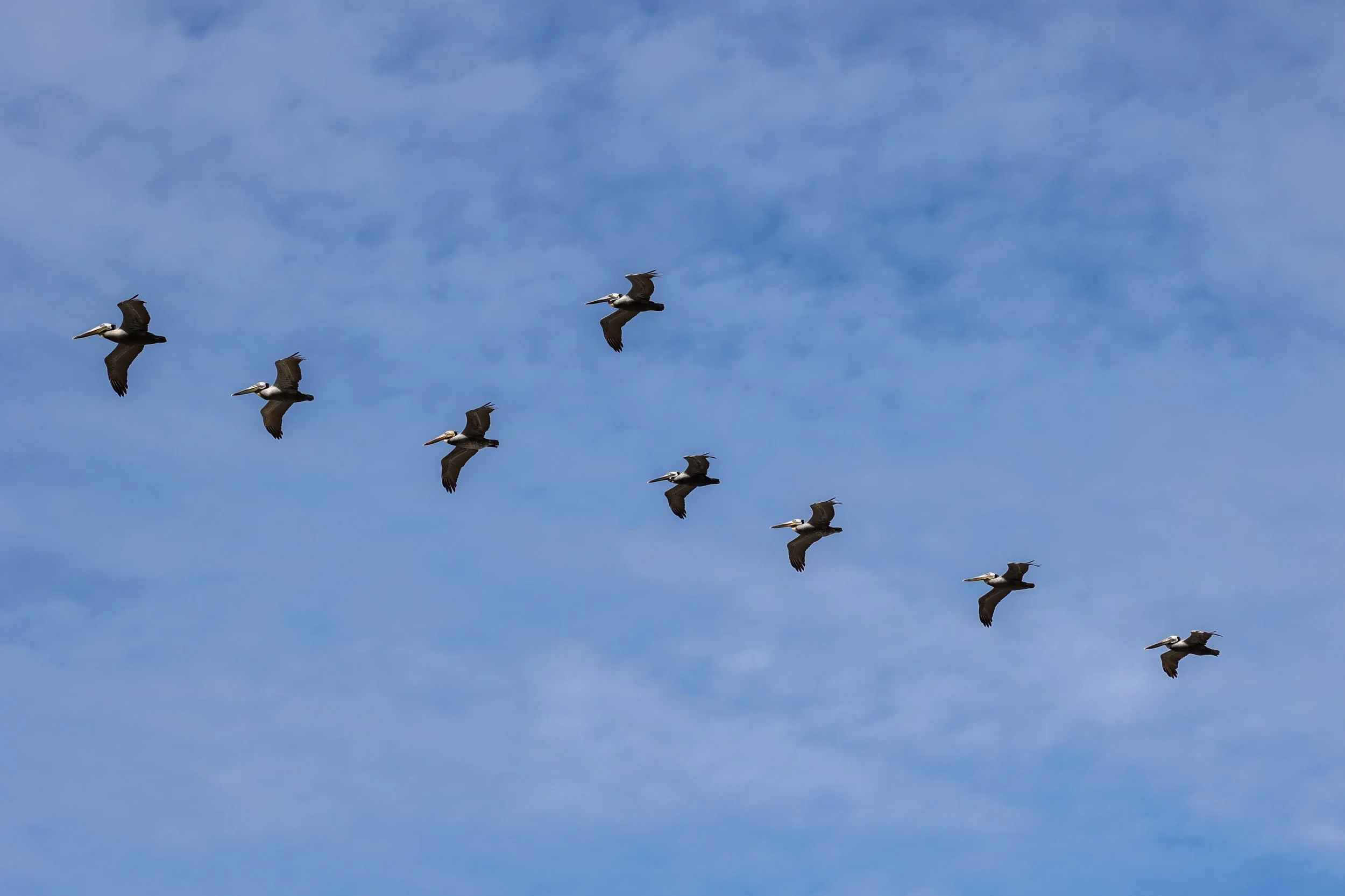
The Birds of Sunset Cliffs
Discover twelve bird species commonly seen in Sunset Cliffs Natural Park.
Point Loma was once a unified natural habitat for wildlife—a peninsula extending into the Pacific and an important stop along migratory flyways. Today, it is divided into separate territories, largely closed off from one another, each with its own stakeholders. The City of San Diego’s Sunset Cliffs Natural Park is one of them.
Birds, however, recognize no such boundaries. They connect these fragmented lands and offer a way to bring us together again through a 633 acre reserve sanctuary. The Point Loma Ecological Conservation Area provides a unified, formal, interagency framework for protecting the peninsula’s rare coastal sage scrub habitat, unique native plants, and diverse birdlife.
Coastal California Gnatcatcher
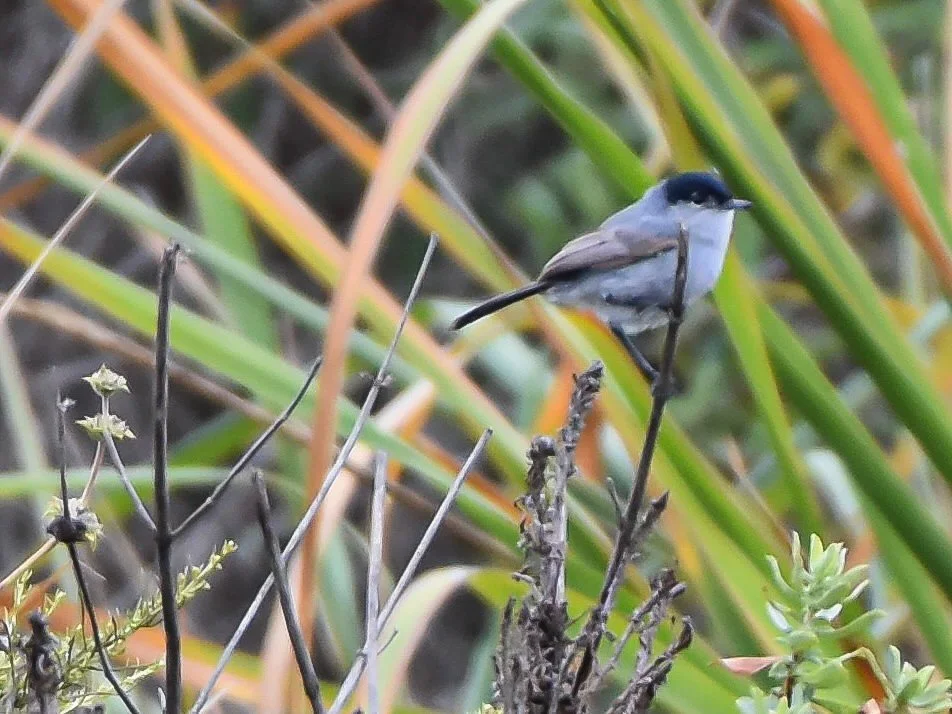
A tiny, nonmigratory gray bird with a narrow range, the Coastal California Gnatcatcher flits about in our coastal sage scrub from Southern California into Baja California, Mexico. This tiny bird flicks its long, narrow black tail as it hops through the dry scrub. The male is distinguished by his black cap and the female by her gray head, thin white eye ring and brown-washed sides. Much of their California coastal scrub habitat has been developed into suburbs, and the California subspecies is listed as a Threatened Species under the Endangered Species Act.
Cool fact: California Gnatcatchers clean their feathers using water collected on leaves by rain or coastal fog.
Photo credit: Lesley Handa
-
This very special bird has been observed in the Hillside of Sunset Cliffs Natural Park since 2024. It was not seen at Cabrillo National Monument from 1915 to 2015. Currently, they are heard and occasionally seen from the end of Point Loma through to our park, and then again at Torrey Pines State Reserve. You’re more likely to hear their call which sounds like the mew of a cat.
Brown Pelican
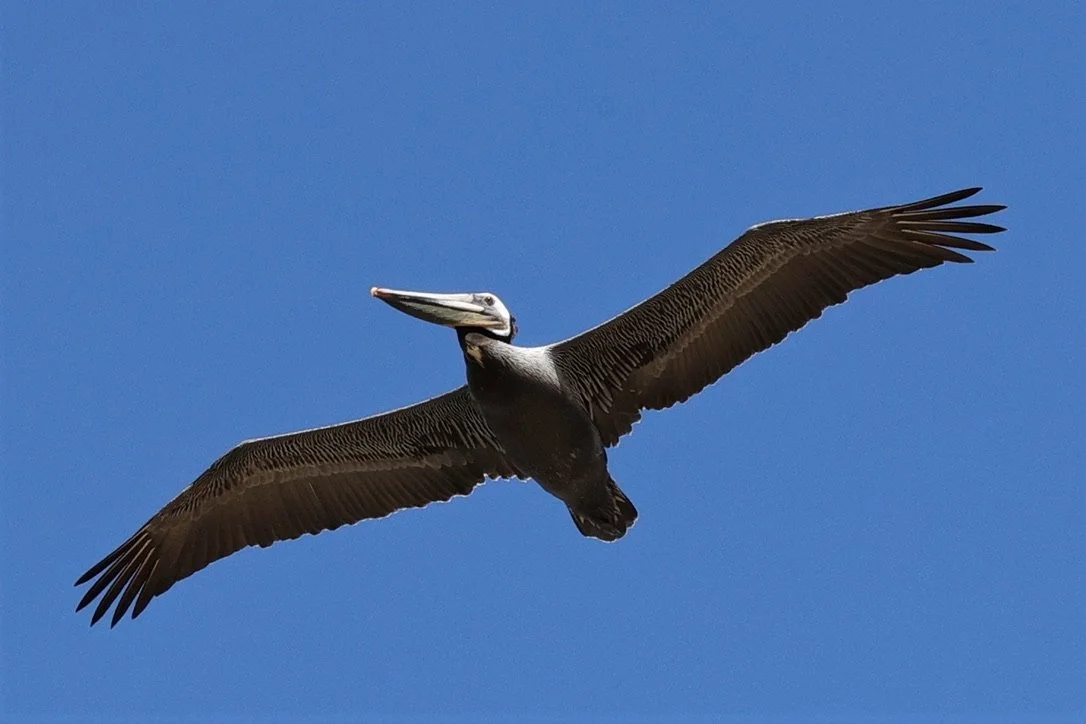
The Brown Pelican is a comically elegant bird with an oversized bill, sinuous neck, and big, dark body. Squadrons glide above the surf along southern and western coasts, rising and falling in a graceful echo of the waves. They feed by plunge-diving from high up, using the force of impact to stun small fish before scooping them up. They are fairly common today—an excellent example of a species’ recovery from pesticide pollution that once placed them at the brink of extinction.
Cool fact: During a dive, the Brown Pelican tucks its head and rotates its body to the left. This maneuver is probably to cushion the trachea and esophagus—which are found on the right side of the neck—from the impact.
Photo credit: Gail DaLalla
Bushtit
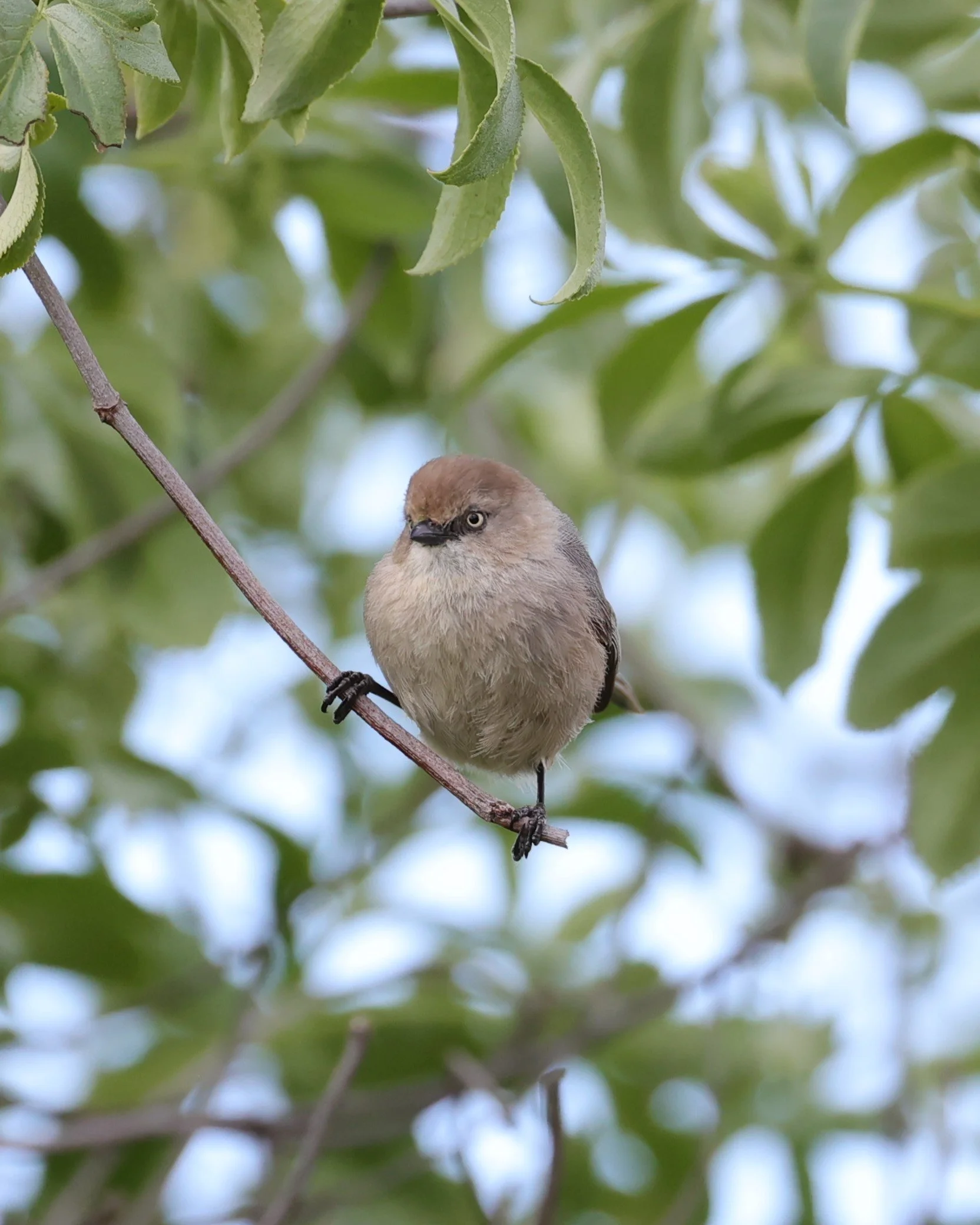
A tiny, long-tailed, fluffy gray ball of a bird. Bushtits are sprightly, social songbirds that twitter as they fly between shrubs and thickets in western North America. Almost always found in lively flocks, they move constantly, often hanging upside down to pick at insects or spiders on the undersides of leaves.
Cool fact: A breeding Bushtit pair often has helpers at the nest that aid in raising the nestlings. The helpers are typically adult males.
Photo credit: Gail DaLalla
Song Sparrow
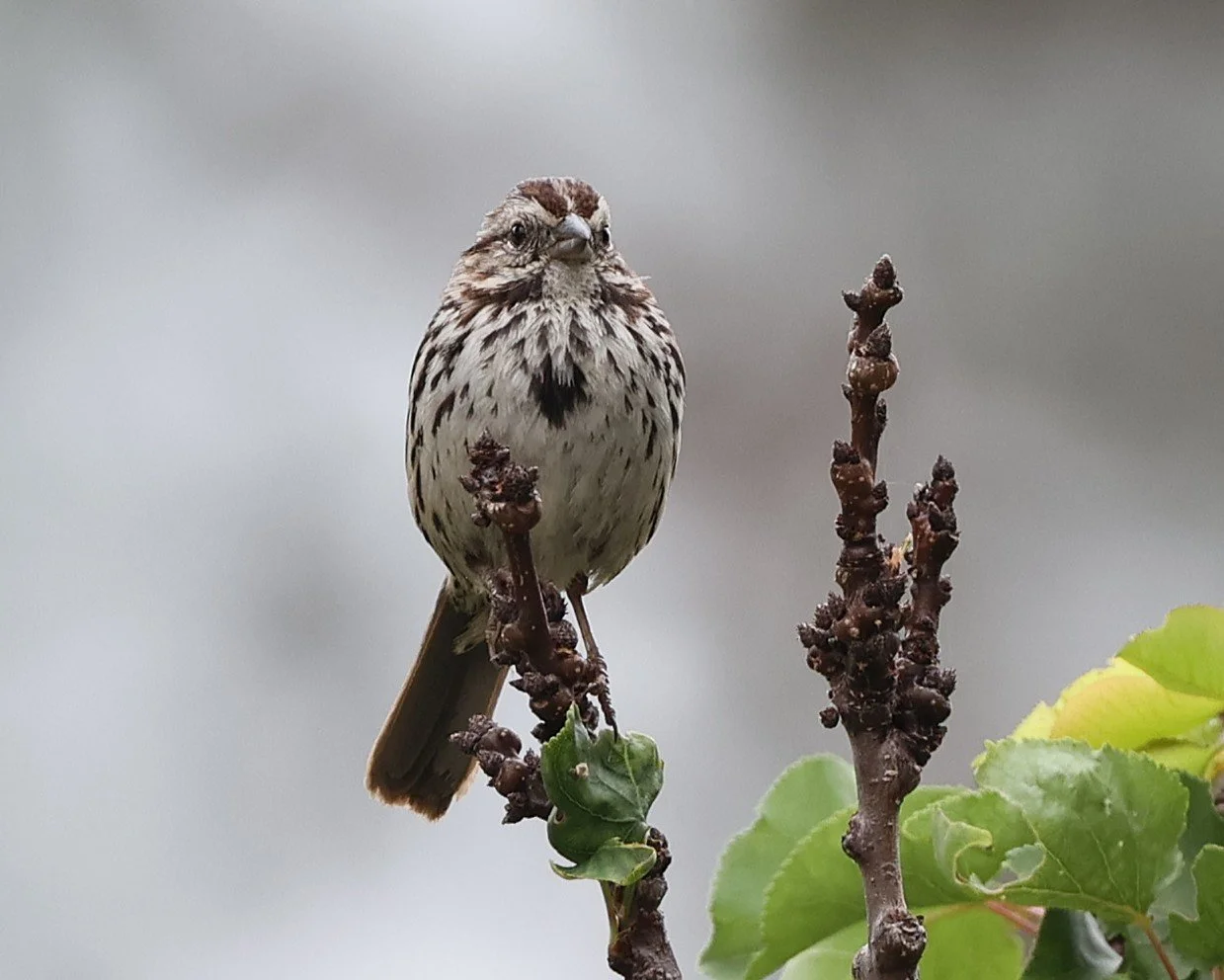
The Song Sparrow is a common and recognizable bird, characterized by its rich, russet-and-gray plumage and bold streaks on its white chest. Typically found in brushy fields, wetlands, and urban gardens, this sparrow is known for its melodious song, which consists of a series of short notes followed by a varied trill. Song sparrows are often seen foraging on the ground or perched on low shrubs, where they exhibit a distinctive tail-pumping behavior.
Cool fact: The male Song Sparrow uses its song to attract mates as well as defend its territory. The female Song Sparrow is attracted not just to the song itself, but to how well it reflects the ability of the male to learn.
Photo credit: Gail DaLalla
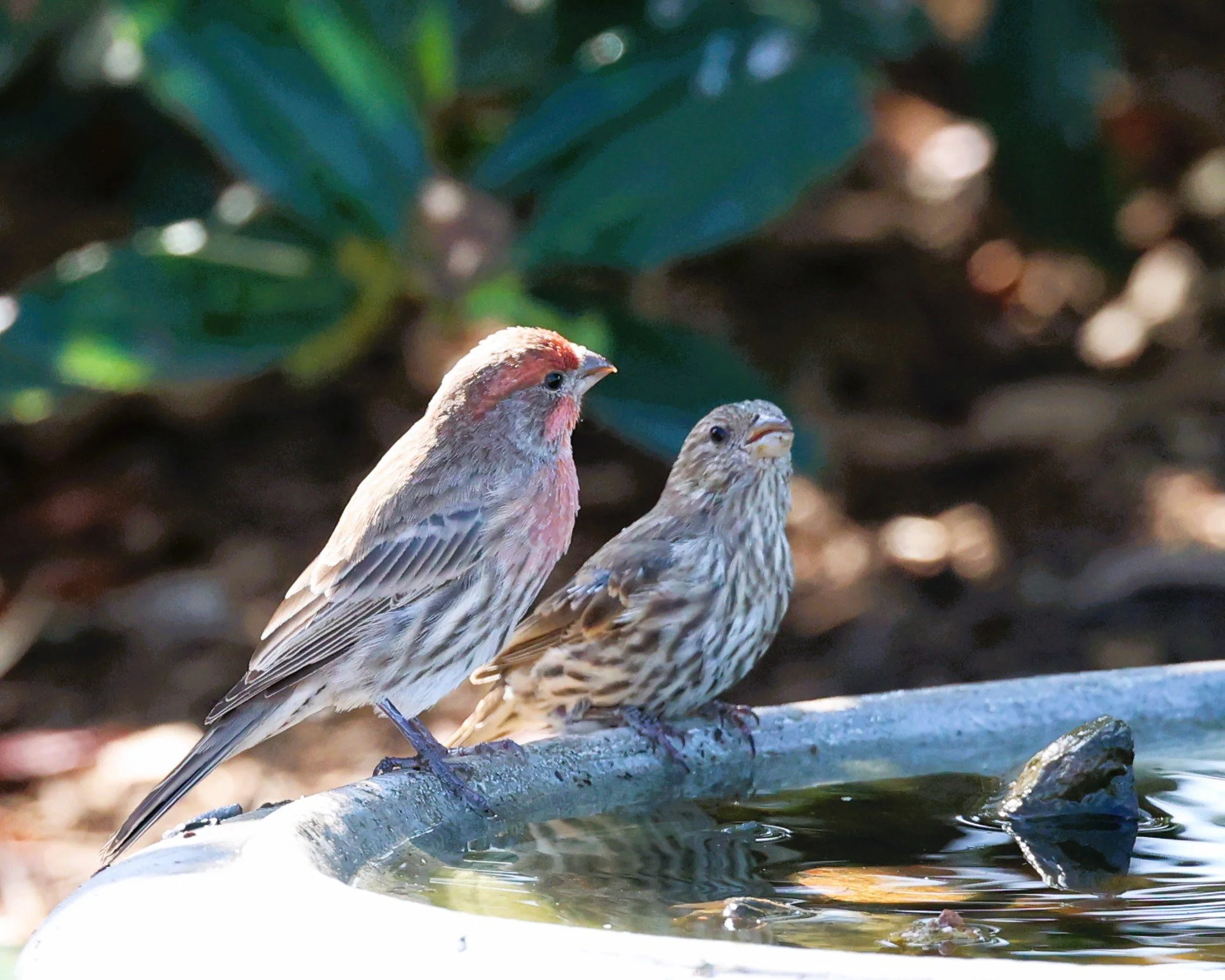
House Finch
The House Finch is a small, adaptable bird commonly found in California. Males are easily recognized by their bright red plumage on the face and upper breast, while females display a more subdued brown and streaky appearance. These finches thrive in a variety of habitats, including urban areas, gardens, and open woodlands, and primarily feed on seeds, fruits, and flowers.
Cool fact: The red of a male House Finch comes from pigments contained in its food during molt. So the more pigment in the food, the redder the male.
Photo credit: Gail DaLalla
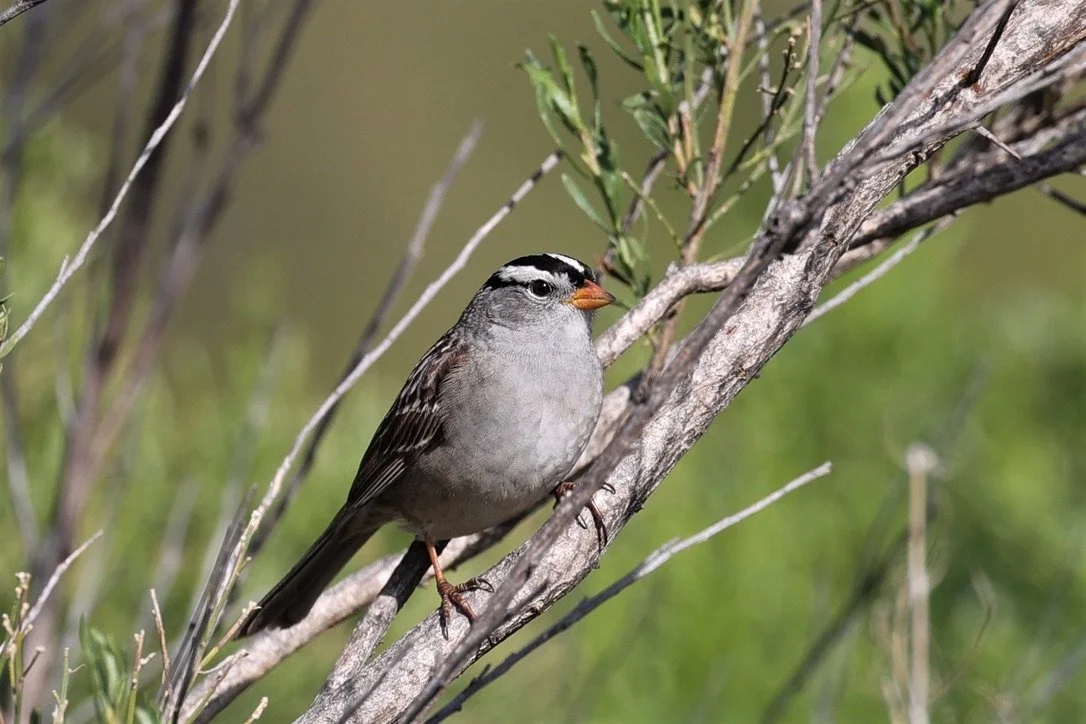
White-crowned sparrow
The White-crowned Sparrow is a winter visitor to Sunset Cliffs Natural Park. Look for these birds to arrive sometime in September and depart in April. White-crowned Sparrows fly over 2,000 miles to San Diego to spend the winter from their breeding grounds in Alaska. Bright black and white stripes on the sparrows' heads allow them to be easily spotted sitting atop the coast sage scrub shrubs where they forage for seeds.
Cool fact: A migrating White-crowned Sparrow was once tracked moving 300 miles in a single night. Scientists have discovered that White-crowned Sparrows can run on a treadmill at a pace of about one-third of a mile an hour without tiring out.
Photo credit: Gail DaLalla
Yellow-rumped Warbler
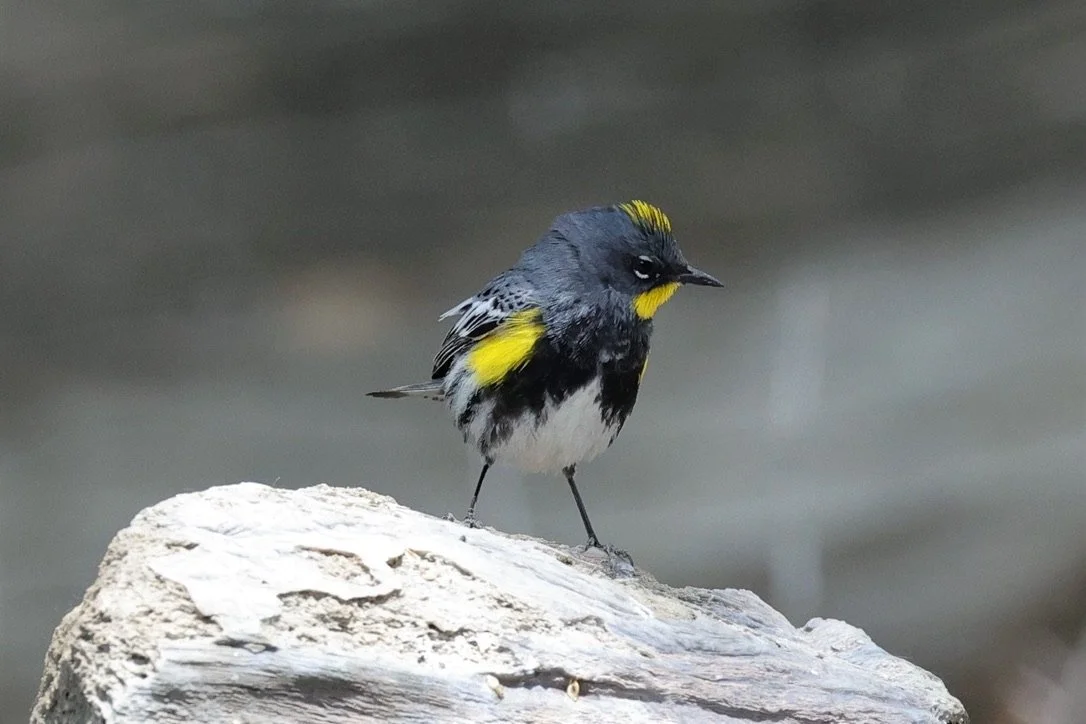
The Yellow-rumped Warbler is a winter visitor to Sunset Cliffs Natural Park. Look for these birds to arrive in October and depart in April. The Yellow-rumped Warbler is easily identified by its vibrant yellow patches on the rump and sides. This small songbird is a favorite among birdwatchers due to its striking appearance and adaptability.
Cool fact: Yellow-rumped Warblers are versatile foragers, picking insects from spider webs or flitting about to catch a flying insect.
Photo credit: Gail DaLalla
California Towhee
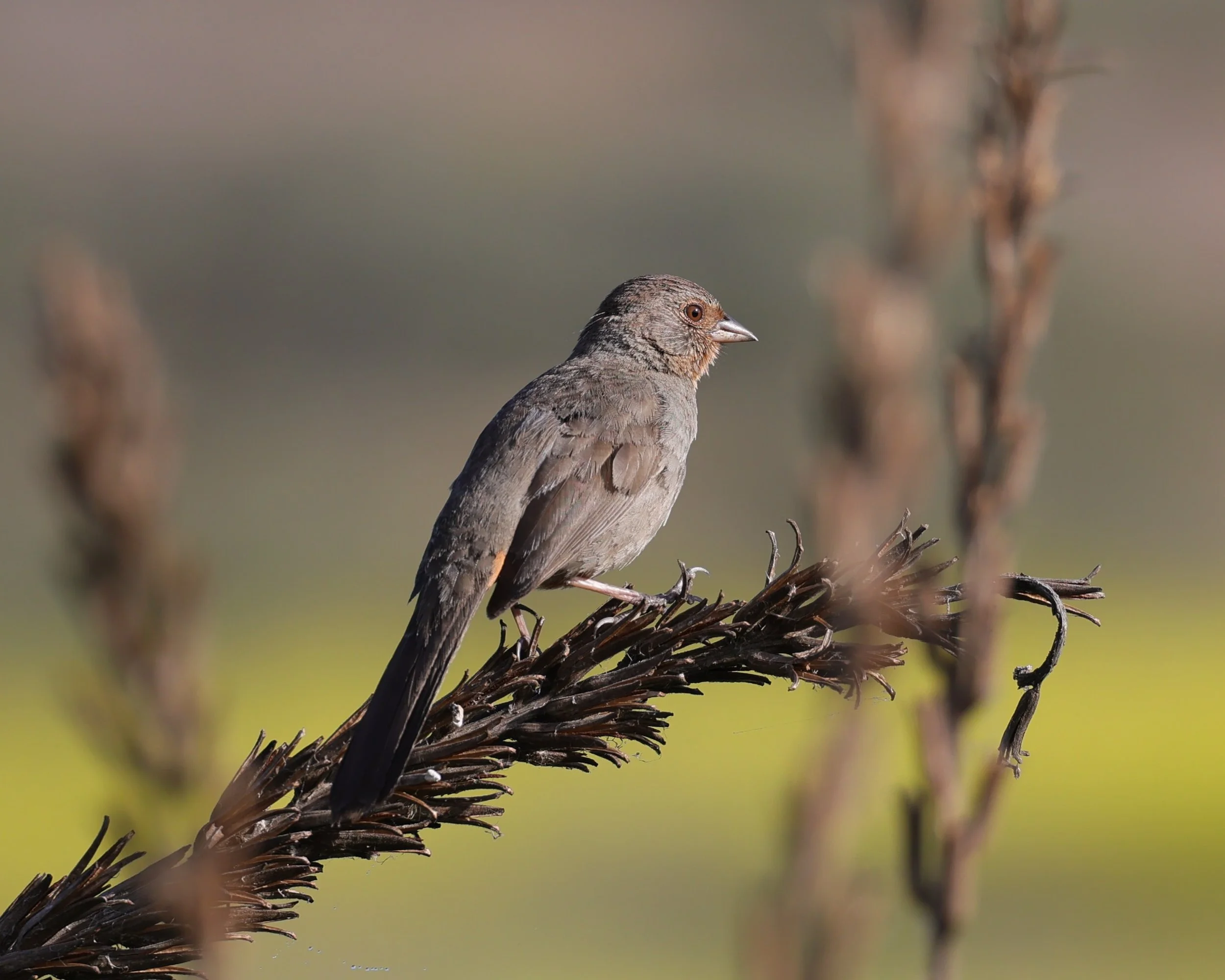
This plain brown bird is a common denizen of brushy places, from wild chaparral hillsides to the borders of gardens and city parks. The California Towhee sometimes hide in the shrubbery, where they may be noticed mainly by their sharp call notes and the squealing duets of mated pairs. At other times they come out on open ground, to scratch in the leaf-litter with both feet as they search for food.
Cool fact: Poison oak is one of the hazards of outdoor recreation in California. Many California Towhees build their nests in poison oak and feast on the plant’s copious crops of pale white berries.
Photo credit: Gail DaLalla
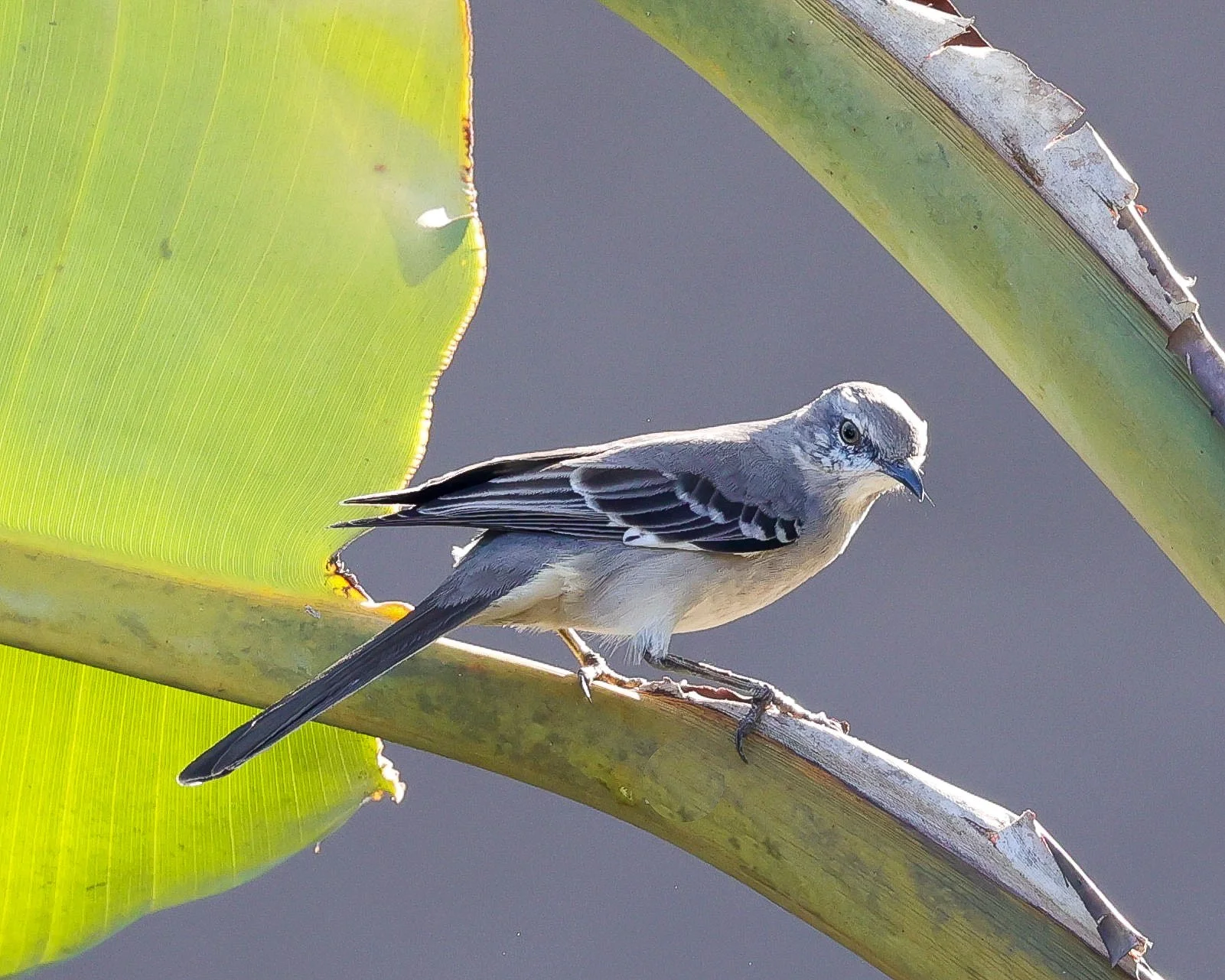
Northern Mockingbird
If you’ve been hearing an endless string of 10 or 15 different birds singing outside your house, you might have a Northern Mockingbird in your yard. These slender-bodied gray birds apparently pour all their color into their personalities. They sing almost endlessly, even sometimes at night, and they flagrantly harass birds that intrude on their territories, flying slowly around them or prancing toward them, legs extended, flaunting their bright white wing patches.
Cool fact: Northern Mockingbirds continue to add new sounds to their repertoires throughout their lives. A male may learn around 200 songs throughout its life.
Photo credit: Gail DaLalla
Anna’s Hummingbird
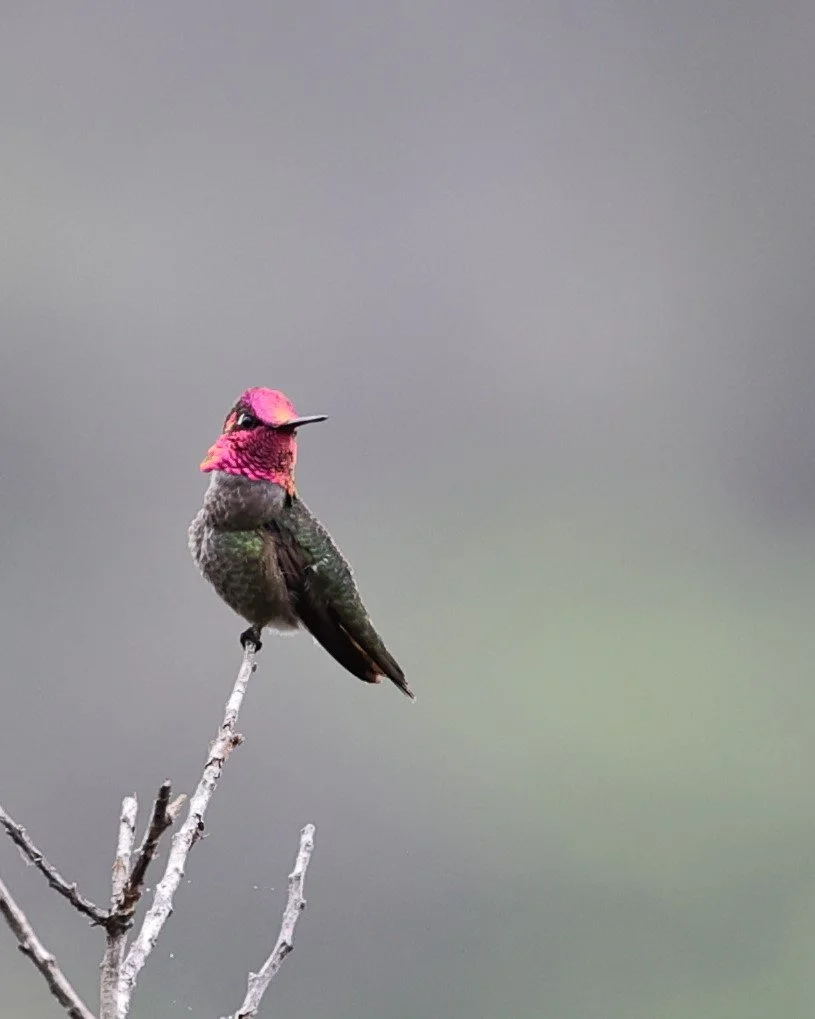
Anna’s Hummingbirds are among the most common hummingbirds along the Pacific Coast, yet they're anything but common in appearance. With their iridescent emerald feathers and sparkling rose-pink throats, they are more like flying jewelry than birds. Though no larger than a ping-pong ball and no heavier than a nickel, Anna’s Hummingbirds make a strong impression.
Cool fact: In their thrilling courtship displays, males climb up to 130 feet into the air and then swoop to the ground with a curious burst of noise that they produce through their tail feathers.
Photo credit: Gail DaLalla
Western Gull
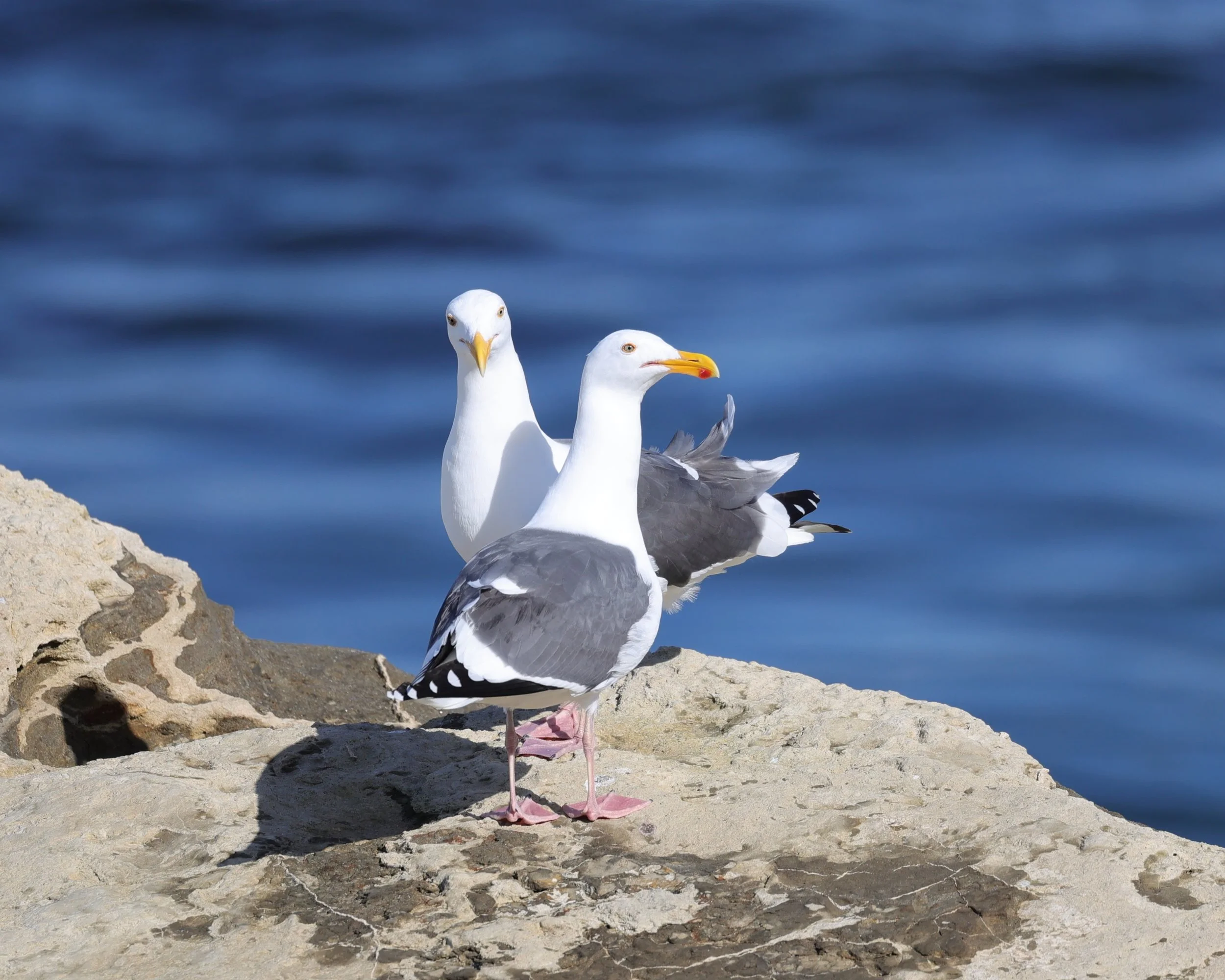
The Western Gull is widespread along Pacific beaches of the U.S. and Baja California, where its large size and dark back set it apart from other local gulls. These large gulls eat a wide variety of fish, marine invertebrates, and carrion, both along the shoreline and out at sea. Western Gulls stay close to saltwater and rarely travel very far inland. Although they are fairly common within their range, Western Gull numbers have declined, placing the species on the Partners in Flight Yellow Watch List.
Cool fact: Like most gulls, the Western Gull is an opportunistic feeder, capturing its own prey, scavenging trash, or stealing food from seals and other gulls. Sometimes they even steal milk from mother seals while they're asleep.
Photo credit: Gail DaLalla
Osprey
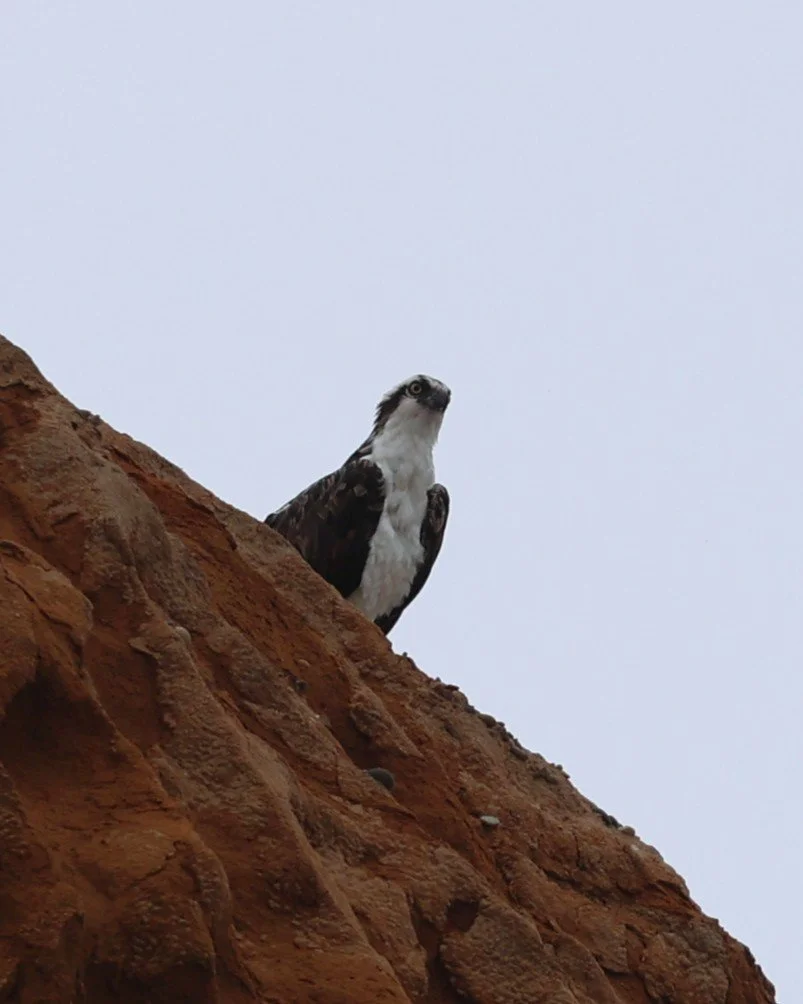
Unique among North American raptors for its diet of live fish and ability to dive into water to catch them, Ospreys are common sights soaring over shorelines, patrolling waterways, and standing on their huge stick nests, white heads gleaming. These large, rangy hawks do well around humans and have rebounded in numbers following the ban on the pesticide DDT. Hunting Ospreys are a picture of concentration, diving with feet outstretched and yellow eyes sighting straight along their talons.
Cool fact: The Osprey readily builds its nest on manmade structures, such as telephone poles, channel markers, duck blinds, and nest platforms designed especially for it. Such platforms have become an important tool in reestablishing Ospreys in areas where they had disappeared.
Photo credit: Gail DaLalla
Other birds visitors may see in Sunset Cliffs Natural Park:
American Crow | Bewick’s Wren | Black Phoebe | Cooper’s Hawk | Double-crested Cormorant | Lesser Goldfinch | Northern House Wren | Orange-crowned Warbler | Red-shouldered Hawk | Rufous/Allen’s Hummingbird | Spotted Towhee | Western Wood-Pewee | White-throated Swift | Wrentit
Information from the All About Birds website, www.allaboutbirds.org,
© Cornell Lab of Ornithology.
Photos by Gail DaLalla. Coastal California Gnatcatcher by Lesley Handa.