
Park Wildlife
The rugged coastal sage scrub, steep canyon slopes, coastal terraces, and protected habitat areas within Sunset Cliffs Natural Park support wildlife that has adapted to ocean winds, seasonal rainfall, drought, and the pressures of surrounding urban neighborhoods.
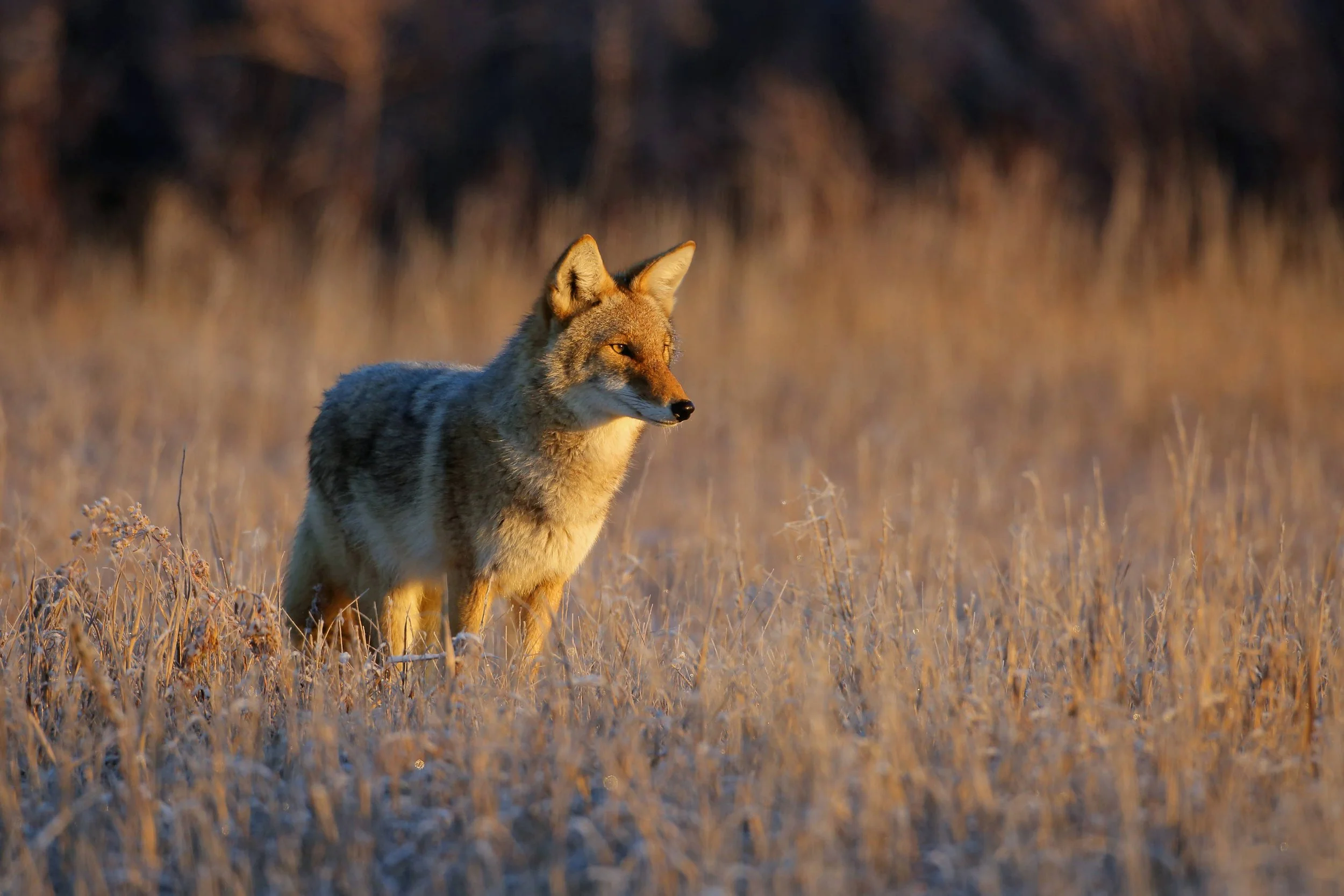
Coyote in field, Peter Eades/USFWS, Public Domain.
Sunset Cliffs Natural Park is more than a dramatic stretch of coastal bluffs and ocean views. As part of San Diego's regional conservation network, the park protects coastal bluff, canyon, and coastal sage scrub habitat that supports a surprising variety of native wildlife. Visitors who slow down and observe carefully may notice tracks, scat, calls, burrows, or brief glimpses of mammals, reptiles, birds, and other animals that use this urban coastal ecosystem.
Living Along the Edge of the Pacific
Wildlife activity changes throughout the year as animals respond to seasonal shifts in temperature, rainfall, food availability, migration, and breeding cycles. Spring often brings increased nesting and denning activity. Summer and fall can concentrate wildlife around shade, cover, and reliable food sources. Winter rains renew native vegetation and can increase insect and plant growth that supports the broader food web. When exploring the park, remember that all wildlife should be observed from a distance. Never feed wildlife, stay on designated trails, keep pets leashed, and help preserve this important habitat for future generations.
Coyote (Canis latrans)
The Park's Most Adaptable Predator
Coyotes are native to California and are among the most adaptable mammals in Southern California. They can live in open natural areas, canyons, coastal scrub, and urban-edge landscapes where food, cover, and movement routes are available. Coyotes help maintain ecological balance by feeding on rodents, rabbits, insects, fruit, and other available foods. Although they are naturally wary of people, they may be seen near dawn, dusk, or at night traveling through canyons and open habitat areas.
Photo: Coyote in field, Peter Eades/USFWS, Public Domain.
-
Coyotes help maintain ecological balance by feeding on rodents, rabbits, insects, fruit, and other available foods. Although they are naturally wary of people, they may be seen near dawn, dusk, or at night traveling through canyons and open habitat areas.
Interesting Facts:
Coyotes can run up to about 40 miles per hour for short distances.
Coyotes often form long-term pair bonds and usually live in family groups rather than large wolf-like packs.
They communicate with a wide range of howls, yips, barks, and other calls.
A coyote diet may include rodents, rabbits, birds and eggs, reptiles, insects, fruits, and plant material.
California Department of Fish and Wildlife, Human-Wildlife Conflicts: Coyotes
Gray Fox (Urocyon cinereoargenteus)
The Secretive Climber
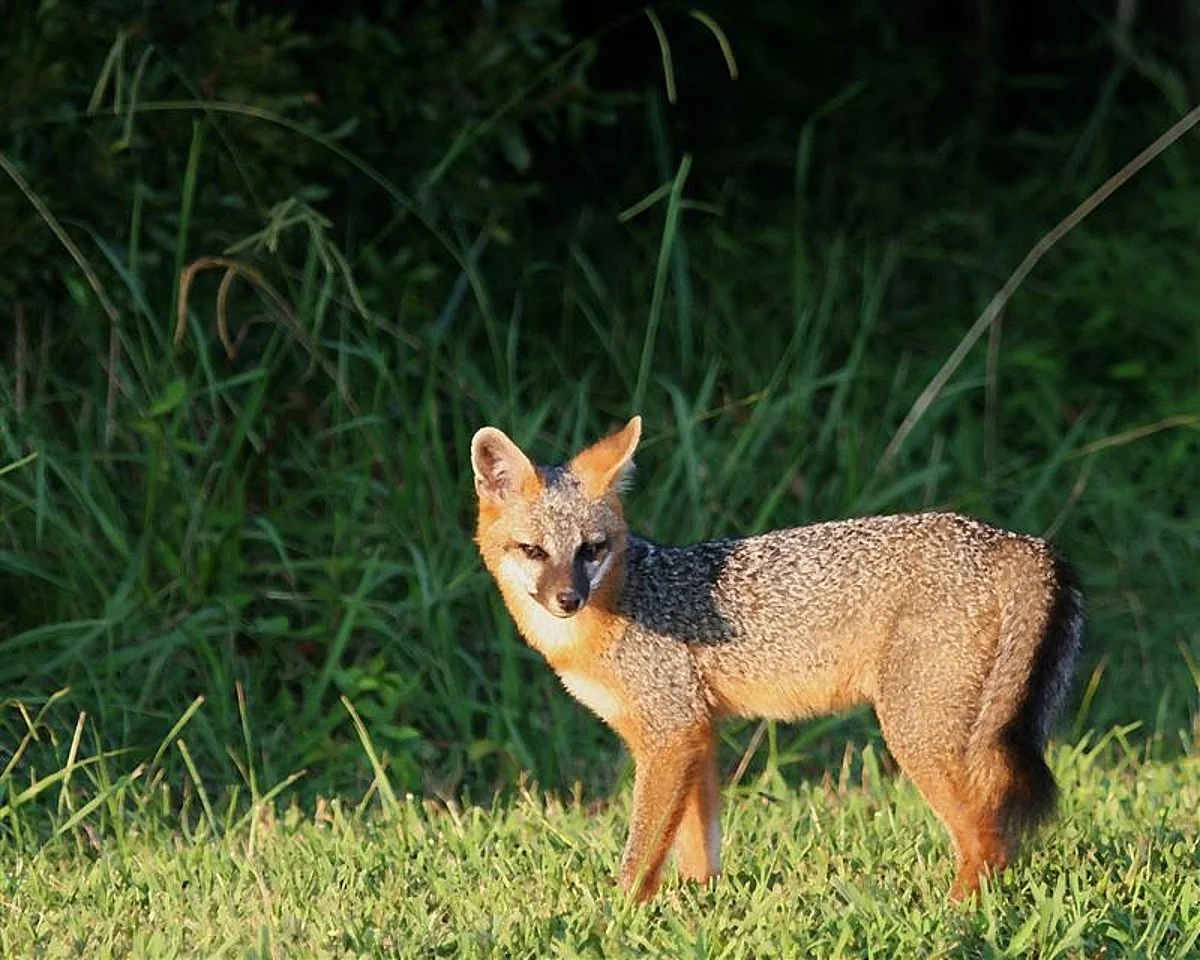
Unlike most members of the dog family, gray foxes are exceptional climbers and regularly ascend trees to escape predators, rest, or search for food. Though rarely seen, they occur throughout much of California and San Diego County and may use connected patches of coastal scrub, canyon, and brushy habitat near Sunset Cliffs.
Photo: Gray Fox, USFWS, Public Domain
-
Gray foxes are primarily nocturnal or crepuscular and often remain concealed in dense shrubs and native vegetation during the day.
Interesting Facts:
Gray foxes can climb nearly vertical tree trunks using semi-retractable claws and flexible ankle joints.
Their long, bushy tails help them maintain balance while climbing and moving through dense vegetation.
Gray foxes are omnivores that feed on rodents, rabbits, birds, insects, berries, nuts, and seasonal fruits.
Did You Know? The gray fox is one of the few canid species worldwide that regularly climbs trees and is the only North American canid widely known for this behavior.
California Wildlife Habitat Relationships System, CDFW, Gray Fox life history account.
Raccoon (Procyon lotor)
The Clever Coastal Forager
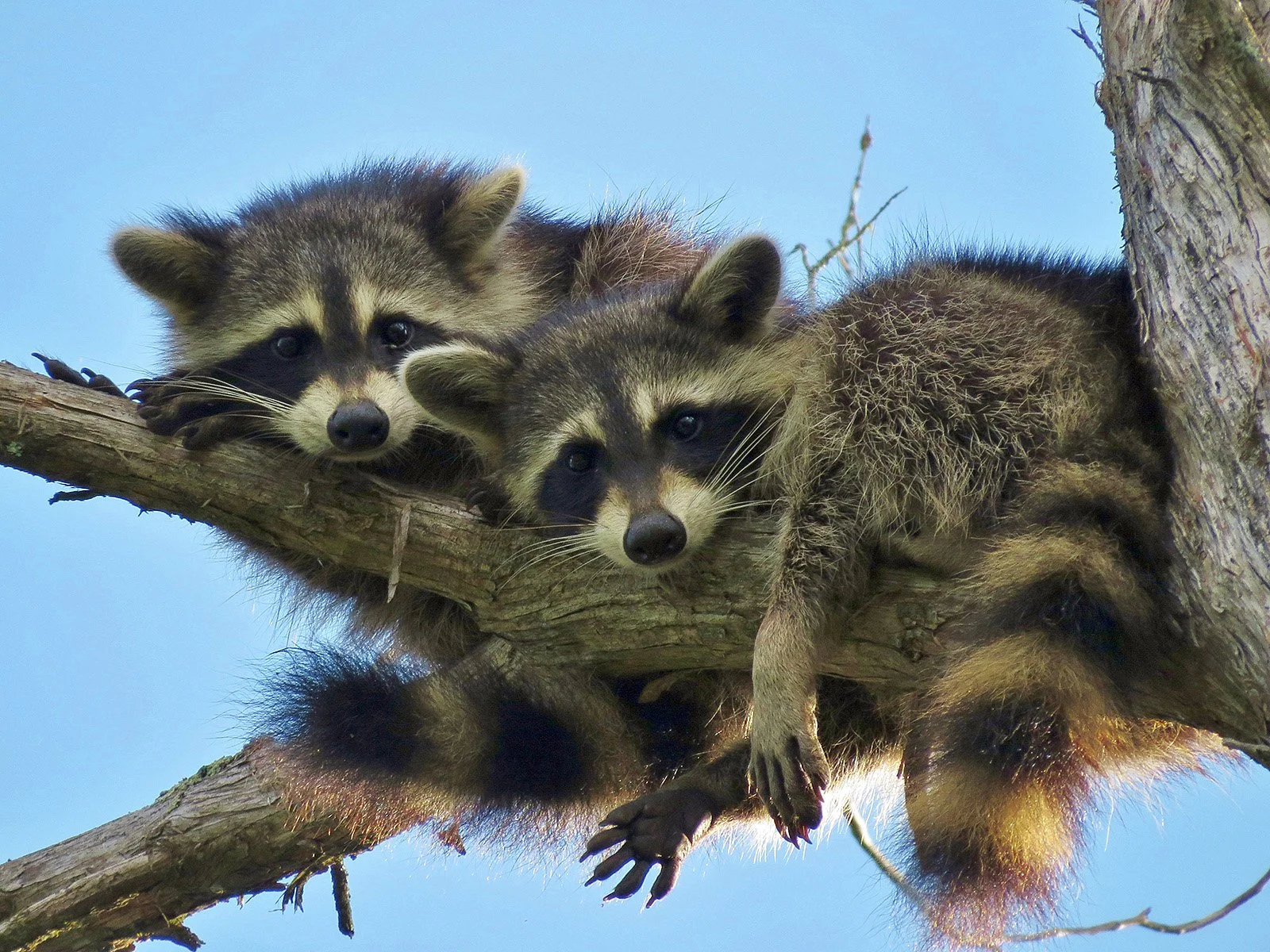
Raccoons are intelligent, adaptable mammals recognized by their black facial mask and ringed tail. They are common throughout California in natural, rural, and urban environments, especially where water, shelter, and food are nearby.
At Sunset Cliffs, raccoons are most likely to be active at night, foraging along canyons, coastal edges, and vegetation for fruits, nuts, insects, eggs, fish, and small animals. They may also investigate human food or trash if it is left unsecured.
Photo: Larry A. Woodward / USFWS, Public Domain
-
Raccoons have highly sensitive front paws that help them locate and handle food.
They may explore tidepool and shoreline areas for small fish, crabs, and other intertidal food when conditions allow.
Raccoons are mostly nocturnal but may occasionally be seen during the day while searching for food.
Their problem-solving abilities and adaptability help them thrive near urban areas.
Please Remember: Feeding raccoons can change their natural behavior, increase conflict with people, and create unhealthy dependence on human food.
California Department of Fish and Wildlife, Human-Wildlife Conflicts: Raccoons.
Virginia Opossum (Didelphis virginiana)
Nature's Quiet Cleanup Crew
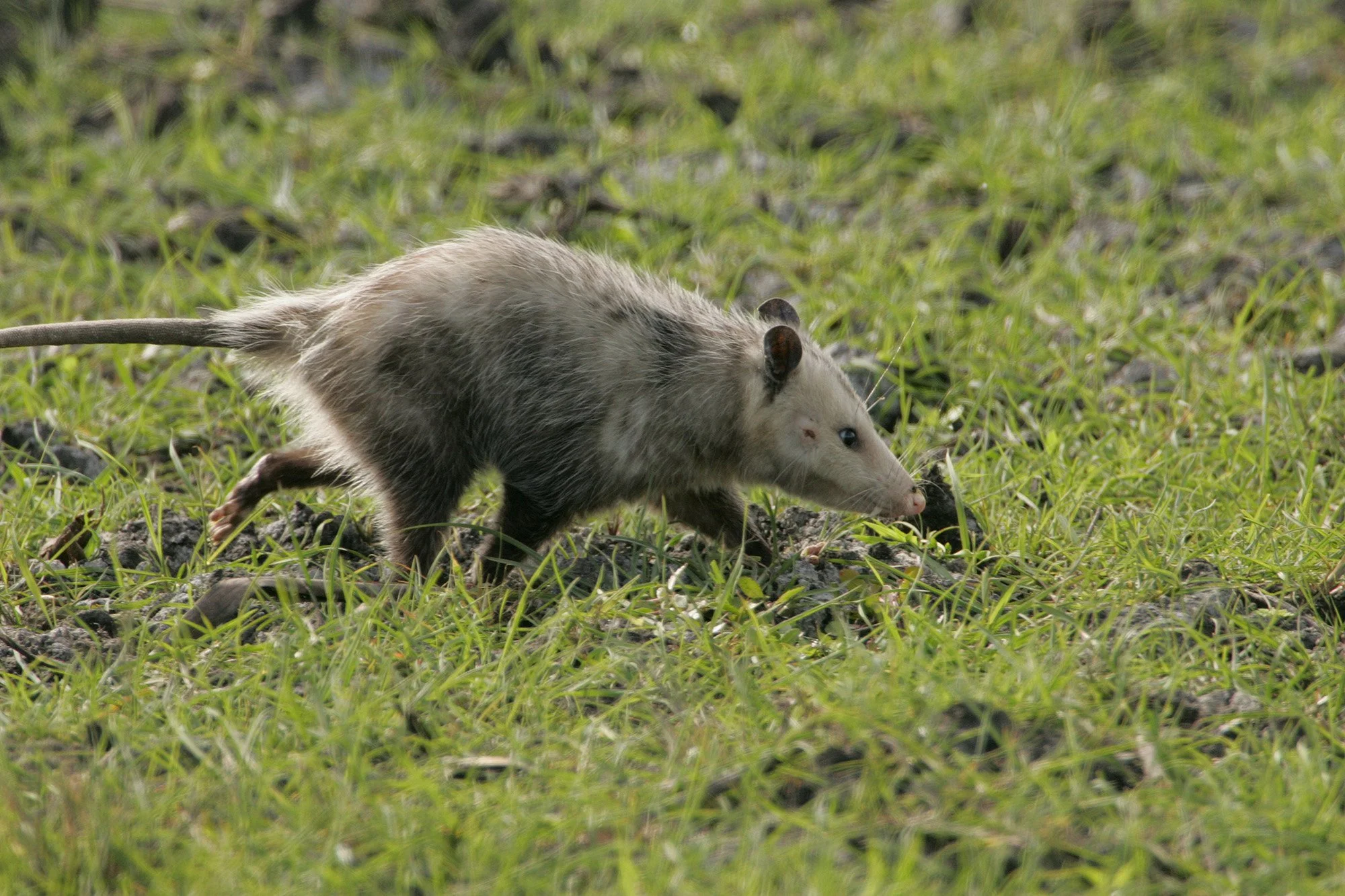
The Virginia opossum is North America's only marsupial, but it is not native to California. It was introduced to the state in the early 1900s and is now widespread in many coastal, riparian, agricultural, and urban-edge habitats.
Opossums are generally solitary and nocturnal. They provide useful cleanup services by eating insects, carrion, fallen fruit, and other organic material, although they may also use human-altered spaces for shelter.
Photo: Hillebrand, Steve / USFWS, Public Domain
-
Female opossums carry their young in a pouch, and older young may ride on the mother’s back.
They eat a wide variety of foods, including insects, worms, carrion, fruits, berries, seeds, grains, and fungi.
They generally have short wild lifespans, often only about 1 to 2 years.
Their famous “playing possum” response is involuntary and can occur when they are extremely threatened.
Ecological Role: Opossums help recycle nutrients by scavenging dead organic matter and consuming many insects and other small organisms.
California Department of Fish and Wildlife CWHR life history account; CDFW Human-Wildlife Conflicts: Skunks and Opossums; UC IPM Opossum Pest Notes.
Striped Skunk (Mephitis mephitis)
An Important Insect Hunter
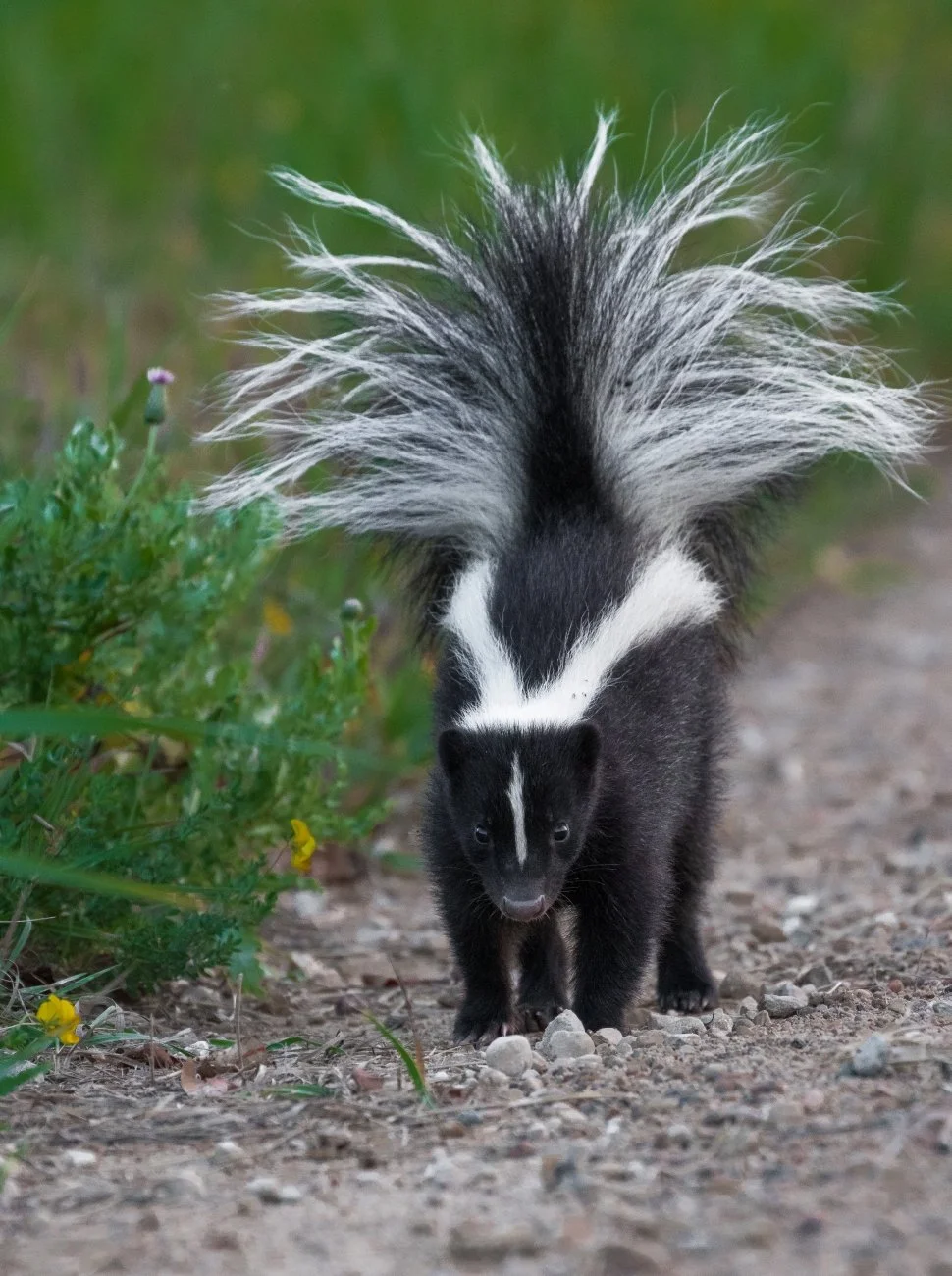
Striped skunks are native to California and are found in many natural, rural, and urban-edge habitats. Although best known for their powerful defensive spray, skunks are generally shy animals that prefer to avoid confrontation.
They play an important ecological role by feeding on insects, grubs, small rodents, reptiles, eggs, fruit, seeds, and other available foods.
Photo: Mike Budd / USFWS, Public Domain
-
Skunks can spray a strong-smelling musk several feet with accuracy when threatened.
Their bold black-and-white coloration serves as a natural warning signal.
They are mostly nocturnal, with some activity around dawn and dusk.
Skunks often forage by digging or probing in soil, logs, and leaf litter for insects and grubs.
Wildlife Courtesy: Give skunks plenty of space and allow them a clear escape route if encountered.
California Wildlife Habitat Relationships System, CDFW, Striped Skunk life history account; UC IPM Skunks Pest Notes.
Desert Cottontail Rabbit (Sylvilagus audubonii)
A Favorite Sight Along the Trails
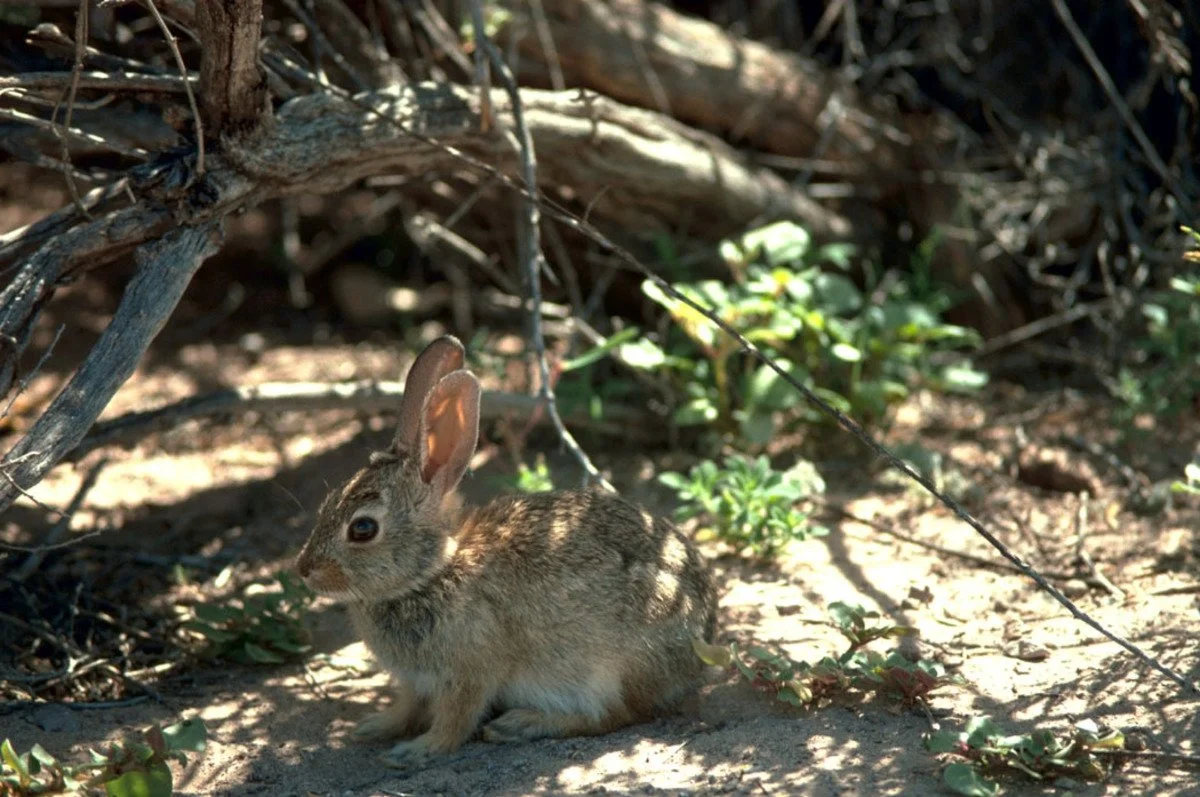
The desert cottontail, also called Audubon’s cottontail, is a common rabbit of Southern California’s grassland, open woodland, desert shrub, and coastal sage scrub habitats. Visitors may spot these rabbits feeding during cooler morning and evening hours.
Their large ears help release body heat and provide excellent hearing for detecting predators. They are an important prey species in the park’s food web.
Photo: Stolz, Gary / USFWS, Public Domain
-
Cottontails often flee in zigzag patterns to escape danger.
They are active year-round and are usually most active around dawn and dusk.
Females may produce multiple litters in a year when conditions support breeding.
They graze and browse on grasses, forbs, shrub leaves, twigs, fallen fruit, and other plant material.
Food Web Note: Cottontails are an important prey species for coyotes, gray foxes, bobcats, hawks, owls, snakes, and other predators.
California Wildlife Habitat Relationships System, CDFW, Audubon’s Cottontail life history account.
California Ground Squirrel (Otospermophilus beecheyi)
The Canyon Watchdog
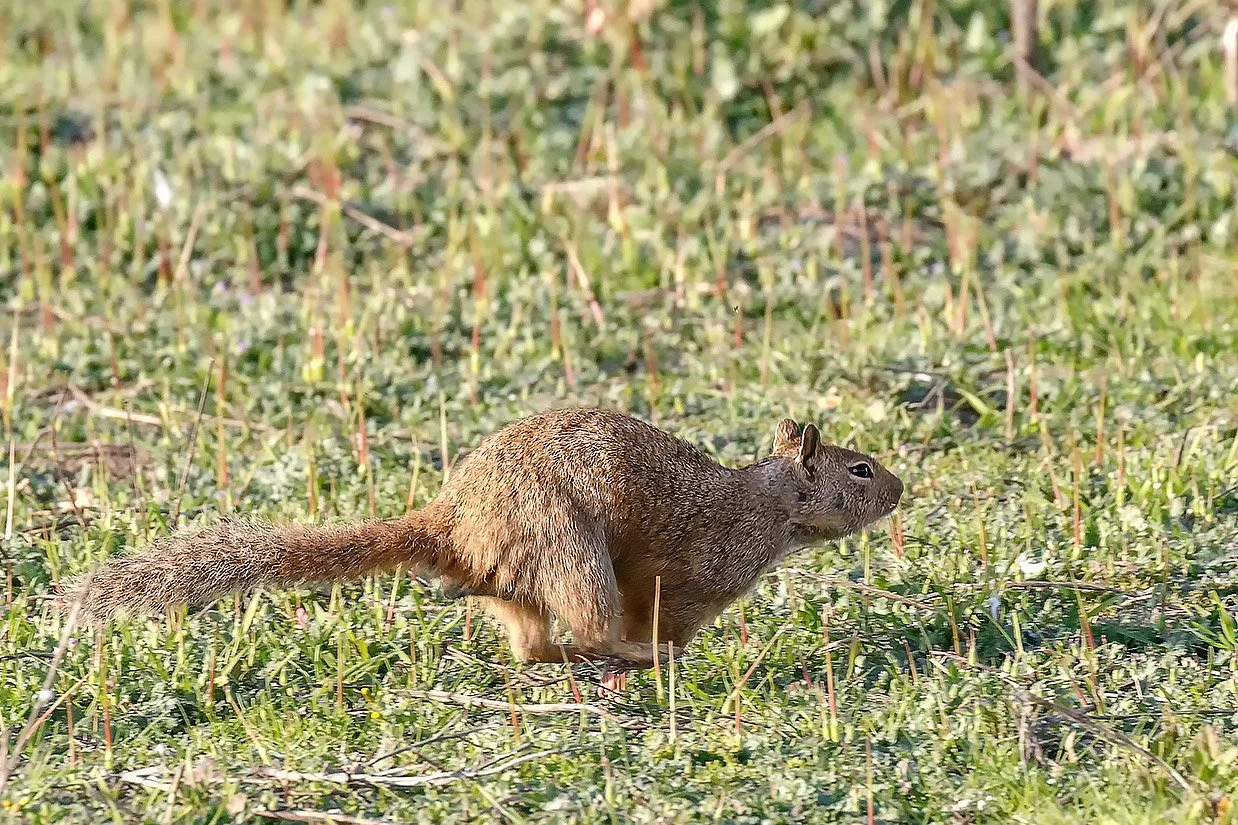
California ground squirrels are native ground-dwelling rodents often observed in open grassy areas, coastal bluffs, and edges of trails and canyons. They live in underground burrow systems that provide shelter, nesting space, and protection from predators.
Their alert posture and warning calls can signal nearby danger to other squirrels and sometimes to other wildlife.
Photo: James Sanderson, / USFWS
-
Ground squirrels communicate using vocalizations, body postures, and tail signals.
Their burrows may provide shelter for other animals after squirrels abandon or share parts of the burrow system.
They feed on seeds, green vegetation, fruits, roots, insects, and other seasonally available foods.
They are mostly active during the day, especially in warm, sunny conditions.
Viewing Tip: Watch from a distance and do not feed ground squirrels. Feeding wildlife can increase disease risk and unnatural crowding.
Bats (Order Chiroptera)
Nighttime Insect Controllers
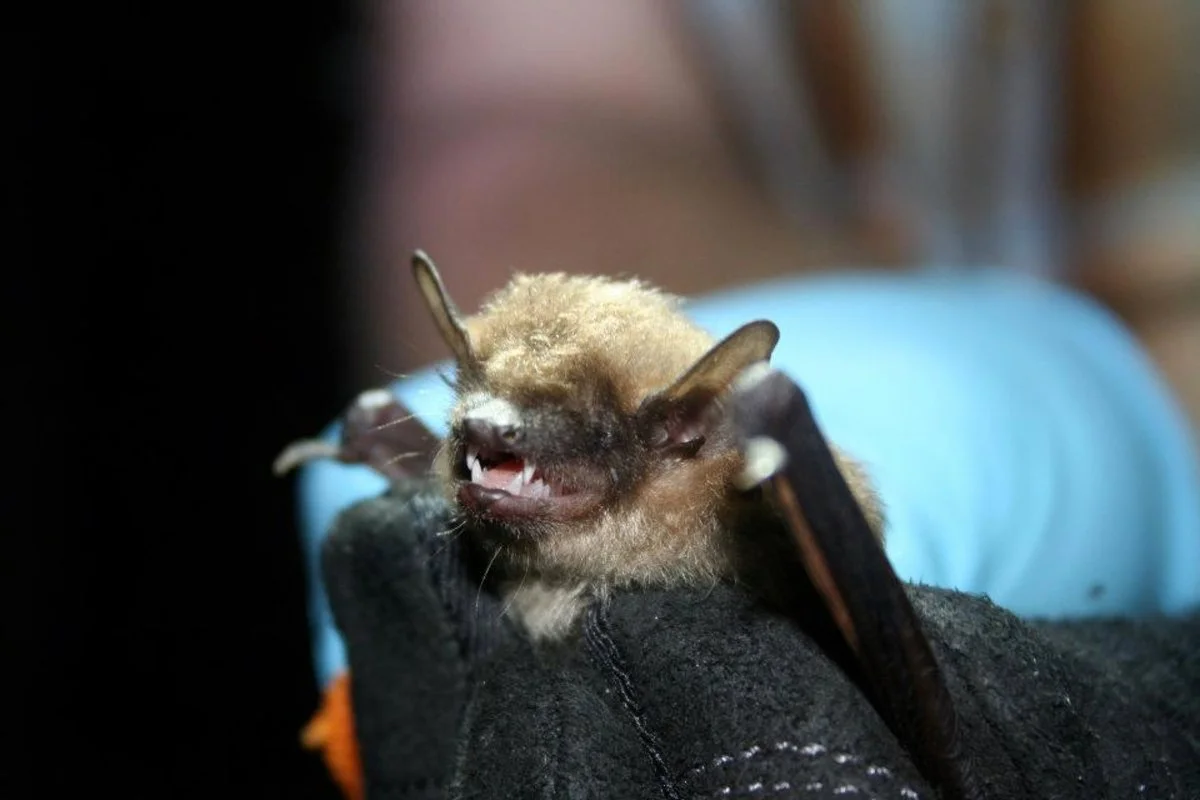
Several bat species may forage over Sunset Cliffs after sunset. San Diego County has documented many bat species across its conservation lands, and bats often use open flight corridors, canyon edges, water sources, and insect-rich areas for foraging.
Photo: Froschauer, Ann /USFWS, Public Domain
-
Using echolocation, bats navigate and locate flying insects in darkness. The bats most likely to be noticed by visitors are insect-eating species flying at dusk or after dark.Several bat species may forage over Sunset Cliffs after sunset. San Diego County has documented many bat species across its conservation lands, and bats often use open flight corridors, canyon edges, water sources, and insect-rich areas for foraging.
Bats are the only mammals capable of true powered flight.
Many local bats consume large numbers of night-flying insects.
Some bat species roost in trees, rock crevices, bridges, buildings, caves, or other protected spaces.
Because local bat species vary by habitat and season, public copy should avoid naming a specific bat species unless confirmed by park surveys.
Wildlife Viewing Tip: Enjoy bats from a distance at dusk. Never disturb a roost, handle a bat, or enter closed habitat areas.
Cooper’s Hawk (Astur cooperii)
The Agile Bird Hunter
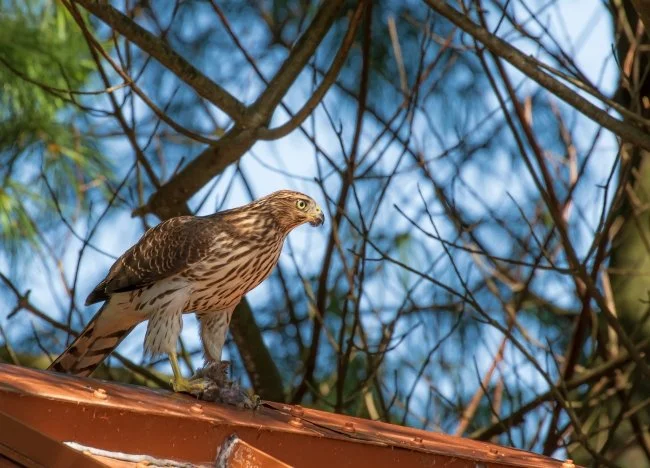
Cooper’s hawks are fast, agile woodland and urban-edge raptors that specialize in pursuing birds through trees, shrubs, and broken habitat. They may be seen near park edges, canyons, or nearby neighborhoods where smaller birds are active.
Unlike soaring buteos such as red-tailed hawks, Cooper’s hawks often fly with quick wingbeats followed by a glide and show a long, rounded tail.
Photo: Cooper's hawk, Mike Budd / USFWS, Public Domain
-
Cooper’s hawks are skilled fliers that can maneuver through cluttered vegetation at high speed.
Their primary prey is small to medium-sized birds, though they may also take small mammals or reptiles.
They have adapted well to some urban and suburban environments where prey is abundant.
Viewing Tip: A quick “flap-flap-glide” flight pattern and long tail are useful clues when identifying a Cooper’s hawk.
Great Horned Owl (Bubo virginianus)
The Powerful Night Hunter
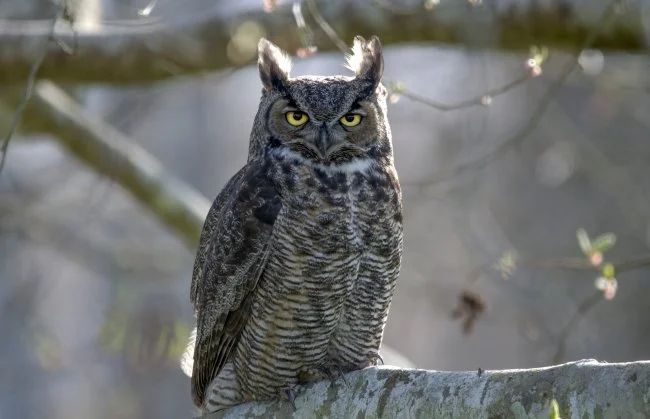
Great horned owls are large, adaptable owls found in many North American habitats, including forests, deserts, grasslands, wetlands, parks, and urban-edge areas. They are mostly active at night and may be heard before they are seen.
As powerful predators, they feed on mammals, birds, reptiles, amphibians, and even scorpions or other small prey when available. Their quiet flight and strong talons make them effective nocturnal hunters.
-
Great horned owls are recognized by their large size, yellow eyes, and prominent feather tufts that look like “horns.”
They often use nests built by other large birds rather than building their own.
They have one of the most varied diets of any North American raptor.
Viewing Tip: Listen for deep hooting calls after dusk, but avoid using playback or lights that can disturb nesting or hunting owls.
Protecting Wildlife in a Multiple Habitat Planning Area
Sunset Cliffs Natural Park is part of San Diego's regional conservation landscape. Protected habitat areas help wildlife find food, shelter, travel routes, and breeding areas despite increasing urban development around them.
Humans Are the Largest Threat to Park Wildlife
Humans are the largest ongoing threat to wildlife in the park. Habitat damage, litter, feeding wildlife, trail cutting, noise, discarded fishing line, and disturbance around dens, nests, and roosts can all reduce the park's value as wildlife habitat. Off-leash dogs can chase or stress wild animals, disrupt foraging, and cause adults to flee from nests or dens, potentially leaving eggs, nestlings, or young mammals exposed to predators, heat, or dehydration. Free-ranging domestic cats, especially unowned or feral cats, are also a major threat to small mammals, reptiles, and birds. A widely cited U.S. estimate found that free-ranging domestic cats kill approximately 1.3 to 4.0 billion birds and 6.3 to 22.3 billion mammals each year, with unowned cats causing the majority of this mortality.
How You Can Help
Stay on designated trails.
Keep pets leashed at all times and never allow dogs to chase wildlife.
Keep cats indoors or in enclosed outdoor spaces; do not abandon cats in or near natural areas.
Never feed wildlife.
Pack out all trash and fishing line.
Respect habitat restoration areas and seasonal closures.
Observe wildlife from a safe distance.
Together, we can help preserve Sunset Cliffs Natural Park as a sanctuary for wildlife and a place of natural beauty for generations to come.